
Education & Training
The Educational Pathway
How to become a Professional Herbalist. This guide outlines the core competencies and standards required for clinical practice in the UK and Ireland.
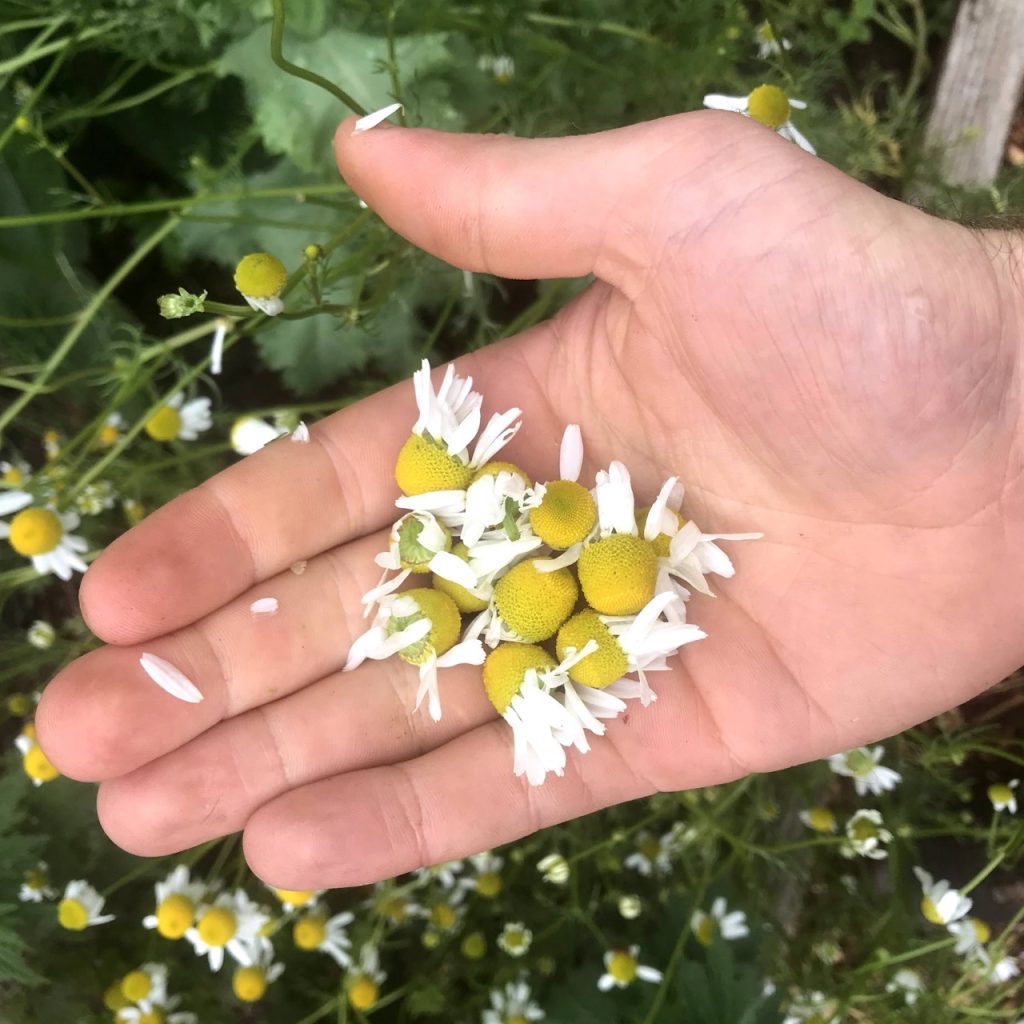
"From Enthusiast
to Practitioner."
What does it mean to be a clinical herbalist?
The world of herbalism includes a diverse range of specialities: growers, medicine makers, educators, and lifelong enthusiasts. However, becoming a clinical practitioner requires a specific, rigorous pathway. A professional herbalist operates much like any other allied healthcare provider. They conduct comprehensive, one-on-one clinical consultations to assess the root causes of a patient's health concerns. They do not merely dispense herbs; they are trained to safely navigate drug-herb interactions, formulate bespoke plant-based medicines, and prescribe targeted diet and lifestyle interventions. Crucially, they practice within strict ethical frameworks, must hold comprehensive professional indemnity insurance to protect the public, and are registered with a recognised Professional Association.
Starting Your Journey
If you are starting out, you may wish to explore foundation courses to build your relationship with plants. If you seek to practice professionally, you must choose a clinical training pathway that meets the high standards of the UK and Ireland's Professional Associations.
Evaluation of competencies
The core competencies needed to become a proficient herbalist include most the following:
1. Safety
Herbal safety, red flags, drug-herb interactions, posology, and dosage facts.
2. Legal & Ethical Practice
Understanding the scope and limit of practice, patient confidentiality, and insurance requirements.
3. Materia Medica
Deep clinical knowledge of the herbs used in your tradition and their sustainable sourcing.
4. Integration of Knowledge
Evaluating and integrating evidence from traditional texts, modern scientific research, and clinical experience.
5. Diagnosis & Assessments
Mastering a variety of clinical diagnostic tools, physical examinations, and evaluation methodologies.
6. Pharmacy
Competency in practical medicine making, pharmacognosy, and safe clinical dispensing.
7. Cultural Ethics
Recognising the origins of traditional medicines. Avoiding the unethical commercialisation of indigenous knowledge or the ecological depletion of culturally sacred plants.
8. Holistic Care
Treating the whole person by addressing physical, emotional, and spiritual wellness alongside targeted diet and lifestyle interventions.
9. Reflective Practice
The ongoing commitment to self-assessment and continuous professional development (CPD).
10. Practice Learning
Accumulating required clinical hours through direct observation and closely supervised one-on-one practice.
11. Sustainability
Ensuring clinical practices and supply chains are ecologically, socially, and economically sustainable.
12. Communication
Developing empathetic listening and clear communication skills for effective patient consultations.
Ready to Choose Your Pathway?
We have developed tools to help you compare how different schools and universities meet these core competencies.

Better Health Through Collaboration
Are you a qualified Herbalist or a student of herbal medicine based in the UK or Ireland?
Sign up for our secure member portal to list your clinic, post events, and share work or volunteer opportunities. You’ll also get free access to our community forum, practitioner resources, and much more.